
Search for topics or resources
Enter your search below and hit enter or click the search icon.
Learn everything you need to know about residential windows, including materials, styles, glass options, energy efficiency, installation considerations, and long-term performance.
The information provided in this guide is written with Texas homeowners in mind, however, homeowners across the United States should find this helpful.
Read on or hit play to get started!
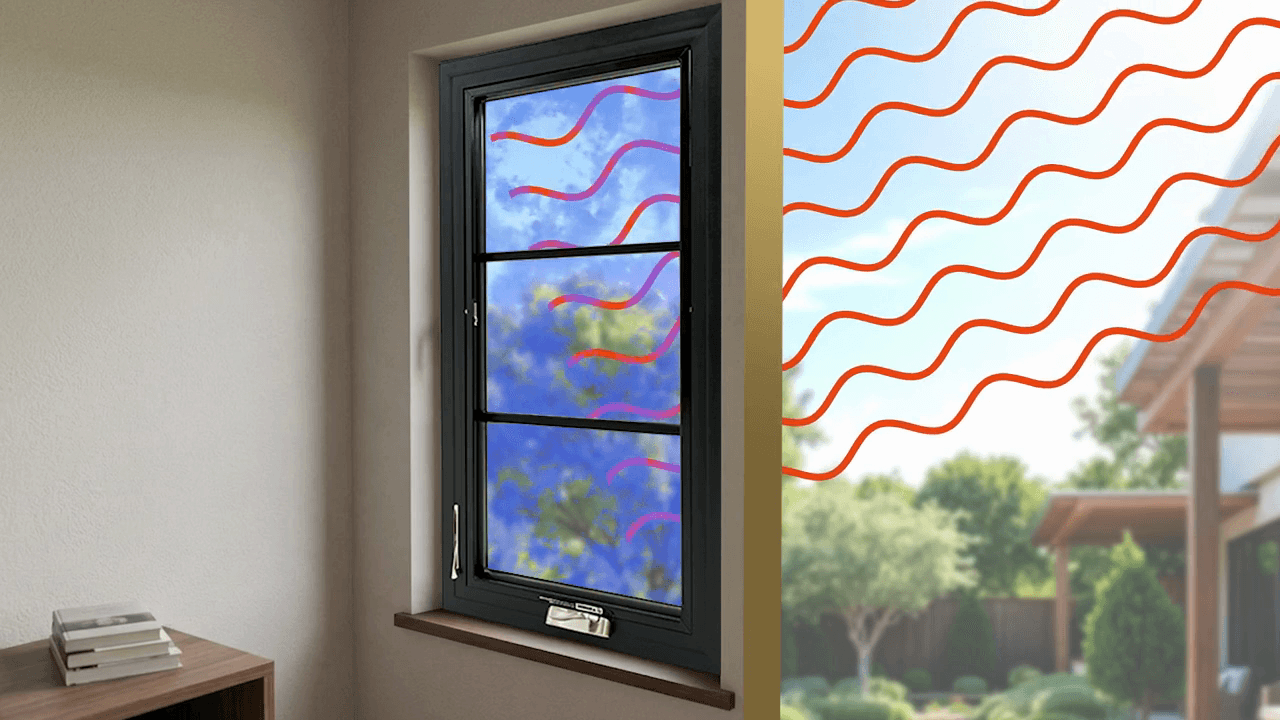
Window frame materials affect structural strength, insulation potential, durability, appearance, and long-term maintenance requirements. Common options include vinyl, wood, aluminum, and composite materials, and fiberglass, and each comes with tradeoffs. For a deeper breakdown, see our guide to the Pros and Cons of Each Window Material.
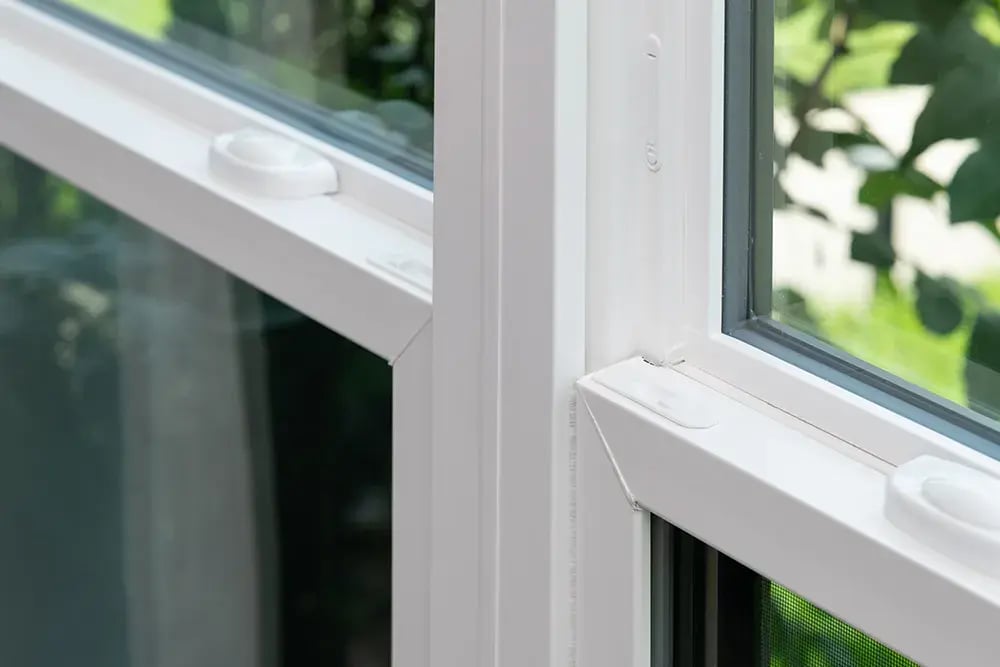
Vinyl windows are manufactured from polyvinyl chloride (PVC). They resist moisture, do not corrode, and typically require minimal maintenance. Multi-chamber vinyl frames can provide strong thermal insulation, which makes vinyl a practical option in hot climates when the window is well built and properly installed. As with most building products, vinyl quality can vary by manufacturer and construction method, and higher-quality vinyl systems typically offer improved structural performance and durability compared to entry-level options.
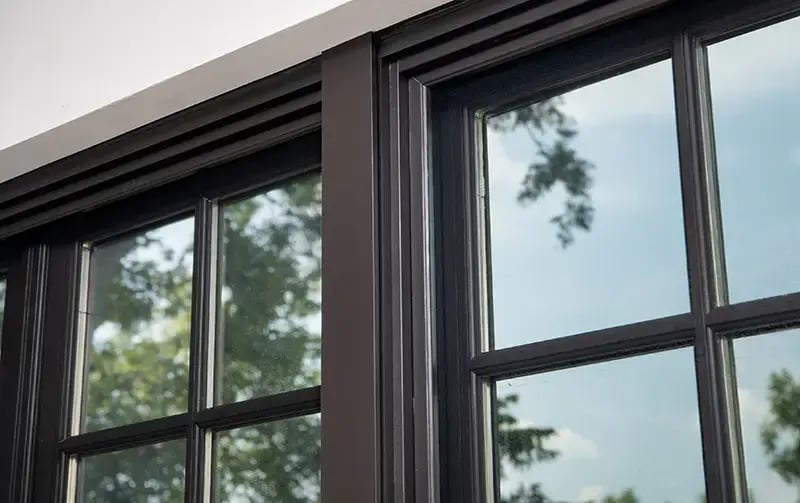
Wood windows are constructed entirely from natural wood. They provide good insulating value and a classic architectural appearance. However, wood typically requires regular maintenance to protect against moisture damage, rot, and warping, especially in humid or high-exposure environments. While wood windows are commonly found in homes in historic districts, they’re less common in newer homes. Today, wood and cladded wood windows are often considered premium or specialty products.
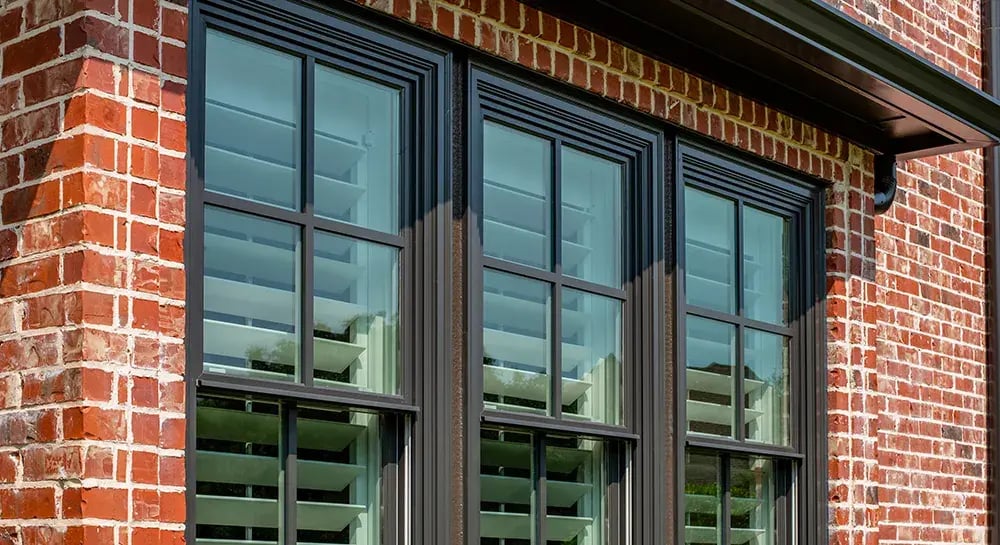
Clad wood windows are wood-framed windows that include a protective exterior layer to reduce maintenance and improve durability. The interior remains natural wood for aesthetics, while the exterior cladding protects against moisture, UV exposure, and weathering.
Common cladding materials include:
Clad wood windows are often selected when homeowners want the appearance of wood indoors with improved exterior protection compared to fully exposed wood.
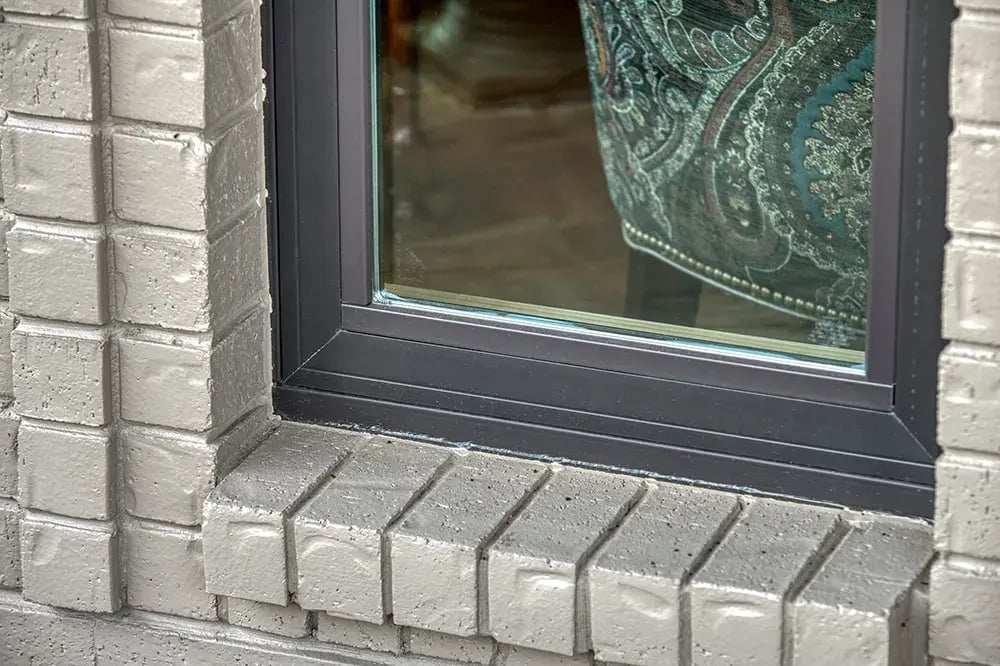
Composite window materials combine wood fibers and polymer resins to create engineered frames designed for improved strength and dimensional stability. Andersen’s Fibrex® is one proprietary composite formulation used in residential windows. Compared to traditional wood, composites generally resist moisture more effectively and require less exterior maintenance. The term “composite” can describe different blends of materials depending on the manufacturer and product line.
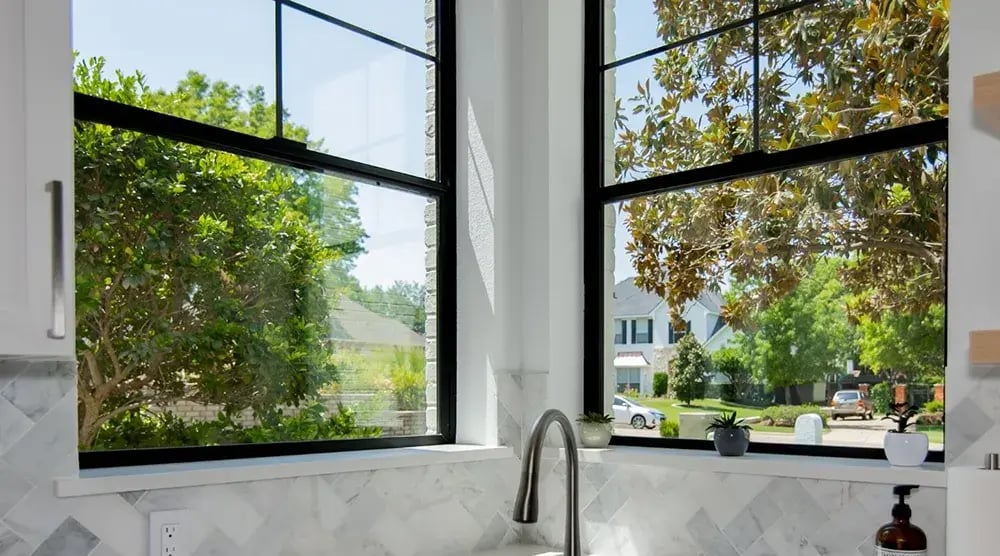
Aluminum windows are lightweight, strong, and allow for slim frame profiles often used in contemporary designs. Because aluminum conducts heat readily, energy performance depends on whether the frame includes a thermal break designed to reduce heat transfer. Aluminum can be a durable choice for certain architectural styles, but it is generally less insulating than vinyl, wood, composite, or fiberglass options in cooling-dominated climates.
Fiberglass window frames are made from glass fibers embedded in resin. They are strong and dimensionally stable, expanding and contracting at rates similar to glass, which can help maintain long-term air and water seals through temperature changes. Fiberglass performs well in prolonged heat exposure, although customization options may be more limited depending on the product line.
Window frame materials affect insulation, durability, appearance, and maintenance requirements. Many homeowners choose vinyl for its balance of cost, energy efficiency, and low maintenance when the window is well constructed. Wood and clad wood options tend to appeal to those prioritizing architectural aesthetics, while composite and fiberglass materials can offer added rigidity and dimensional stability. Ultimately, the right material depends on climate conditions, design preferences, budget, and overall performance ratings such as U-factor and SHGC.
Window styles define how a window operates, ventilates, seals, and contributes to architectural design. Operation method affects airflow, cleaning access, and energy performance.
|
|
Single Hung WindowsSingle hung windows have a fixed upper sash and a movable lower sash. They provide ventilation with fewer moving parts. |
|
|
Double Hung WindowsDouble hung windows feature two vertically operable sashes. They allow better ventilation control from the top or bottom and often tilt inward for easier cleaning. |
|
|
Casement WindowsCasement windows are hinged on one side and open outward using a crank.They seal tightly and offer excellent ventilation and energy performance. |
|
|
Sliding WindowsSliding windows operate horizontally along a track. They are easy to use but typically seal less tightly than hinged windows. |
|
Picture WindowsPicture windows are fixed and non-operable. They maximize daylight and views and are often among the most energy-efficient window types. |
|
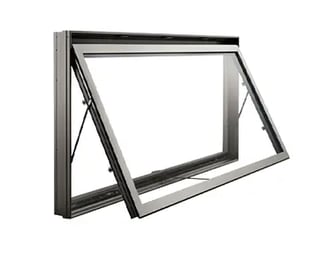
Awning WindowsAwning windows are hinged at the top and open outward from the bottom. They allow ventilation during light rain and are often paired with fixed windows. Double Hung vs Awning Window |
|
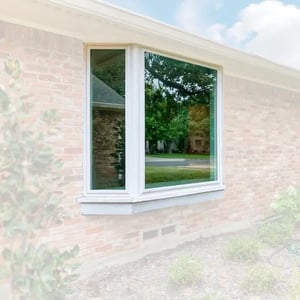
Bay WindowsBay windows are typically three-window assemblies that project outward, creating interior space and architectural emphasis. Are Bay Windows Worth It in Dallas? |
|
|
Bow WindowsBow windows extend outward using multiple window panels arranged in a curve. They increase interior space and natural light. |
|
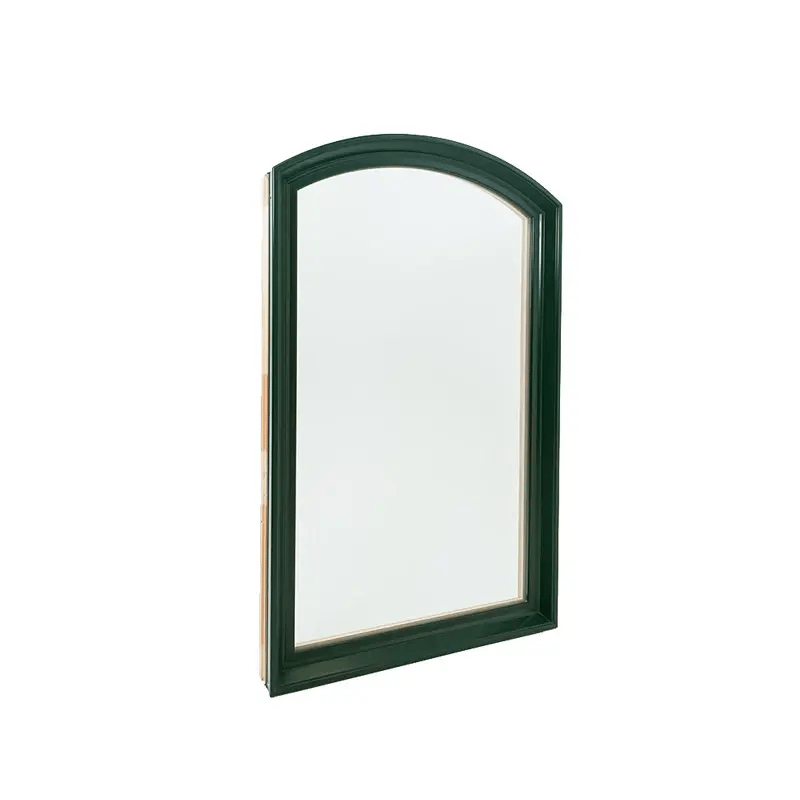
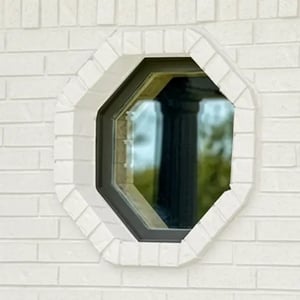
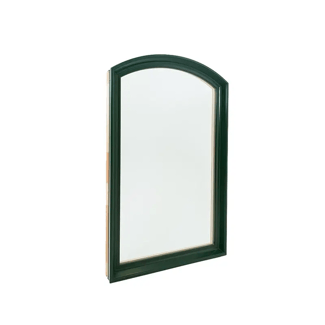
Specialty and Custom Shape WindowsSpecialty windows include shapes such as circles, arches, triangles, and trapezoids. These are usually fixed and used for design impact. |
Window styles influence ventilation, sealing, and appearance. Operable windows balance airflow and functionality, while fixed and specialty windows maximize light and design flexibility.
Single hung windows have a fixed upper sash and a movable lower sash. They provide ventilation with fewer moving parts.
Double hung windows feature two vertically operable sashes. They allow better ventilation control from the top or bottom and often tilt inward for easier cleaning.
Casement windows are hinged on one side and open outward using a crank.They seal tightly and offer excellent ventilation and energy performance.
Sliding windows operate horizontally along a track. They are easy to use but typically seal less tightly than hinged windows.
Picture windows are fixed and non-operable. They maximize daylight and views and are often among the most energy-efficient window types.
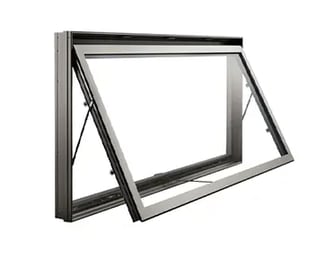
Awning windows are hinged at the top and open outward from the bottom. They allow ventilation during light rain and are often paired with fixed windows. Double Hung vs Awning Window
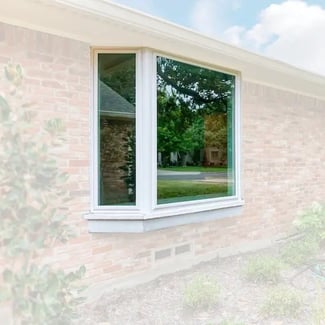
Bow windows extend outward using multiple window panels arranged in a curve. They increase interior space and natural light.
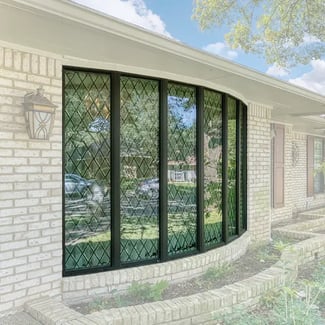
Bay windows are typically three-window assemblies that project outward, creating interior space and architectural emphasis. Are Bay Windows Worth It in Dallas?
Window components work together to provide structure, weather resistance, operation, and interior finish. Understanding window components helps homeowners evaluate construction quality and installation methods.
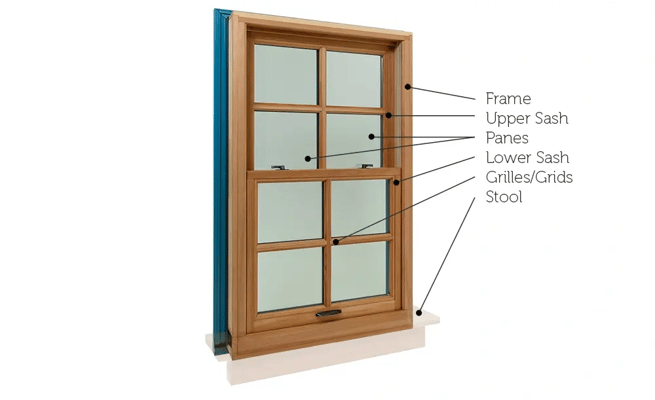
Casing is the interior trim that covers the gap between the window frame and wall, creating a finished appearance. (Not pictured above)
Extension jambs extend the window frame to match wall thickness so interior casing sits flush. (Not pictured above)
The glass pane is the transparent component of the window. Modern windows use insulated glass units rather than single panes.
A window balance is a mechanism that allows a single-hung or double-hung window to open and close smoothly by countering gravity and holding the sash of your window unit in place. (Not pictured above. Click the link for more details.)
The sash holds the glass and may be fixed or operable depending on window type.
The sill is the horizontal bottom portion of the window frame that directs water away from the opening. The stool is the interior ledge at the base of the window and may extend into the room.
The window frame is the structural perimeter that supports the sash and secures the window to the wall opening.
Quick Take: Window Parts Affect Long Term Performance and Cost
Window parts affect structure, sealing, and interior finish. Understanding components helps homeowners evaluate quality and long-term performance.
Glass configuration plays a major role in insulation, light transmission, safety, and comfort.
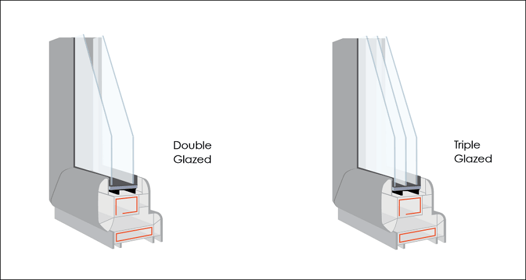
Residential windows use insulated glass units (IGUs) consisting of multiple panes sealed together. Single-pane glass offers minimal insulation and is uncommon in modern homes.
Double glazing (double-pane) uses two panes separated by an air or gas-filled space for increased insulation and sound reduction. It is the standard for most residential applications.
Triple glazing adds a third pane to improve insulation and reduce heat transfer, with some reduction in light transmission. Do Triple Pane Windows Make a Difference?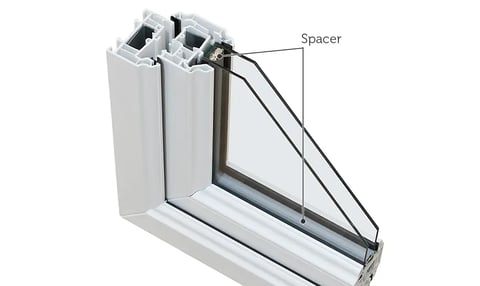
Spacers separate glass panes within an IGU (insulated glass unit). Warm-edge spacers reduce heat transfer and edge condensation.
Argon and krypton gases are commonly used between panes to reduce conductive heat transfer.
Smart glass changes tint electronically to control light and heat. Safety glass, such as tempered or laminated glass, improves impact resistance.
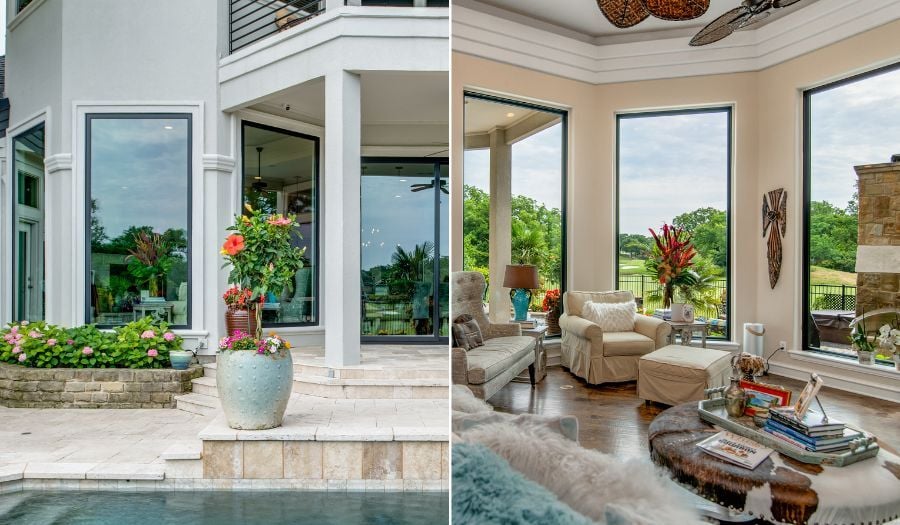
Low-emissivity (Low-E Glass) coatings reflect infrared heat while allowing visible light to pass through. In the image above you can see the Low-E coatings are unnoticeable from the inside viewing out.
.jpg?width=900&height=525&name=laminated-glass-adobe-stock%20(1).jpg) Laminated Glass
Laminated GlassLaminated glass is made of multiple layers or lites of glass joined by a layer of plastic called PVB (Polyvinyl butyral). It is commonly used for safety glazing.
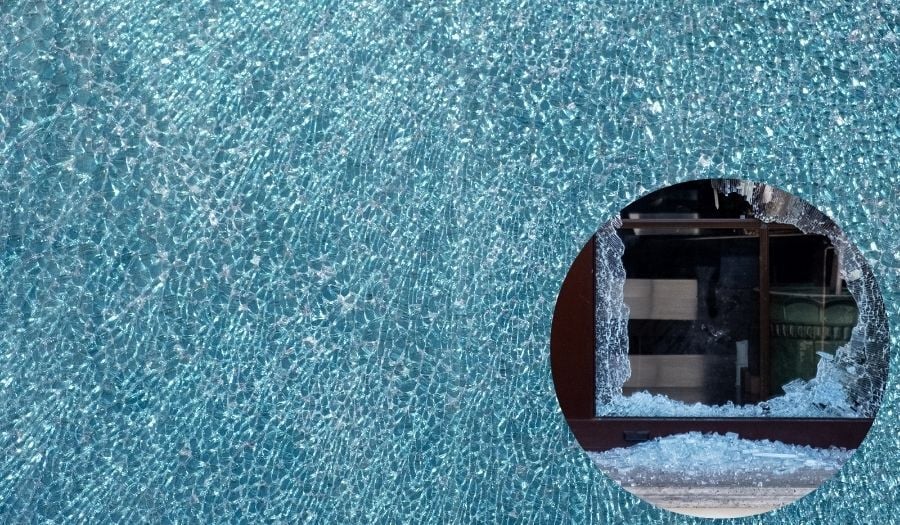
Tempered glass is significantly more durable than ordinary glass and designed to break into less harmful pebble-like pieces instead of sharp and jagged shards. Tempered Glass vs Laminated Glass
Tinted glass reduces glare and solar heat gain but also lowers visible light transmission.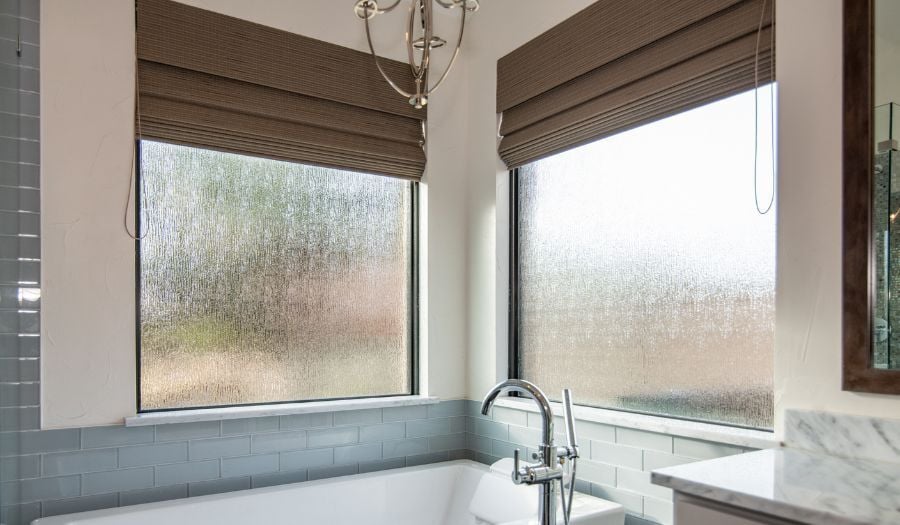
Privacy can be achieved through textured glass, between-the-glass blinds sealed between panes, or electronically adjustable glass.
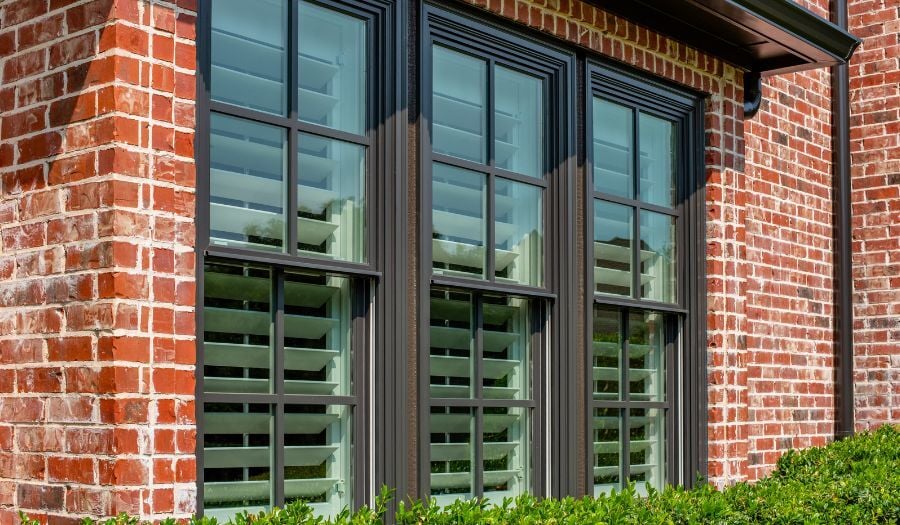
Grilles divide the glass visually for decorative or traditional aesthetics and may be between panes or surface-applied. Which is better, Grids or No Grids in Windows?
Glass choices affect insulation, daylight, privacy, and safety. The number of panes, coatings, spacers, and gas fills work together to determine overall performance.
Energy efficiency describes how well a window limits unwanted heat transfer while managing daylight and solar gain. What Makes a Window Energy Efficient?
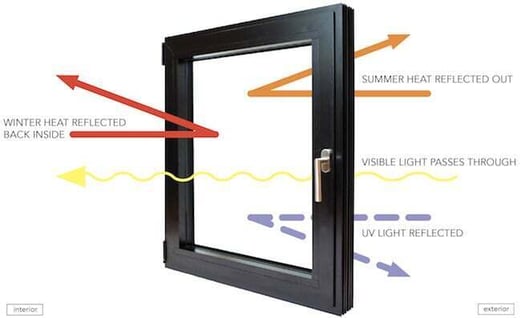
Low-E coatings reduce radiant heat transfer, improving comfort in both hot and cold seasons.
Inert gas fills reduce convection between panes and lower overall heat transfer.
U-factor measures heat transfer through the entire window. Lower values indicate better insulation.
SHGC measures how much solar heat enters through the window. Lower values reduce cooling load; higher values increase passive heat gain. SHGC vs U-Value.

ENERGY STAR® certified windows meet region-specific performance criteria verified through standardized testing.
R-value measures resistance to heat flow. Higher values indicate better insulation but are less commonly used for whole-window comparison.
VT measures the percentage of visible light transmitted through the window.
Energy Rating combines heat loss, heat gain, and air leakage into a single performance score.
Energy performance is defined by standardized metrics such as U-factor, SHGC, and ER. Energy ratings must be evaluated together; no single number defines overall performance. These ratings allow objective comparison across window products.
Local climate conditions influence window performance, comfort, and durability.
Condensation forms when warm, moist indoor air contacts cold window surfaces. Indoor humidity, temperature differences, ventilation, and spacer design all affect condensation risk. How Do I Prevent Condensation on Window Frames?
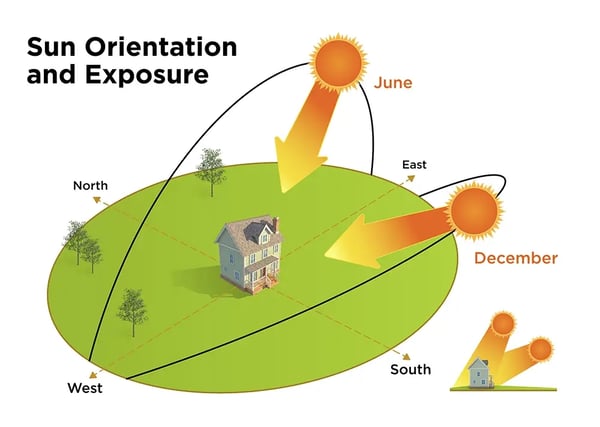
Window orientation affects solar heat gain throughout the day and year. South-facing windows receive the most consistent sunlight, while east and west exposures experience stronger seasonal heat gain.
Climate impacts condensation risk and solar exposure. Window selection should account for humidity levels, temperature swings, and sun orientation.
Installation quality directly affects window performance, durability, and warranty coverage.
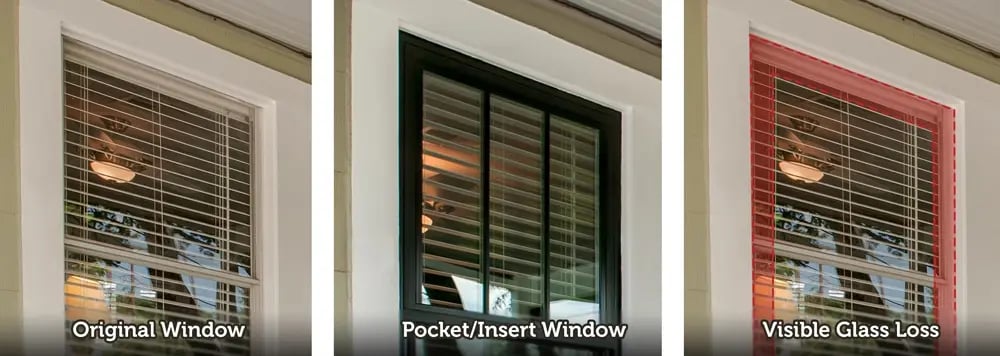
Full frame installation removes the entire window and frame, allowing inspection of the surrounding structure. Pocket installation replaces only the window insert within the existing frame. Here’s how to decide on Full Frame vs Insert Window Replacement.
DIY installation can reduce labor costs but increases the risk of air leakage, water intrusion, and warranty limitations. Professional installation follows manufacturer and building science standards.
The process typically includes measurement verification, removal of old windows, preparation of the opening, installation, sealing, interior and exterior finishing, cleanup, and warranty documentation. Here’s What to Look for in Replacement Windows.
Installation method and workmanship significantly influence performance as much as window selection. Full frame replacement and professional installation reduce long-term risk.
Window hardware enables operation, security, and maintenance access.
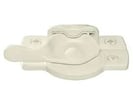
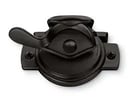
Cam locks are basic mechanical locks commonly used on hung and sliding windows.
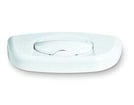
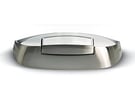
Self-locking hardware engages automatically when the window closes.
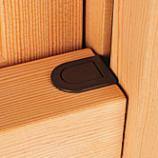
Finger-tilt latches allow sashes to tilt inward for cleaning.
Multi-lock latches secure the sash at multiple points to improve sealing and security.
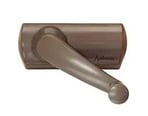
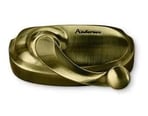
Crank handles operate casement and awning windows through a geared mechanism.
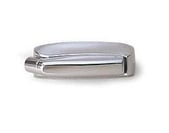
Hide-away cranks fold or retract to minimize visual impact.
Window hardware affects usability, security, and maintenance. Hardware quality contributes to long-term reliability.
Long-term ownership factors influence total cost and satisfaction.
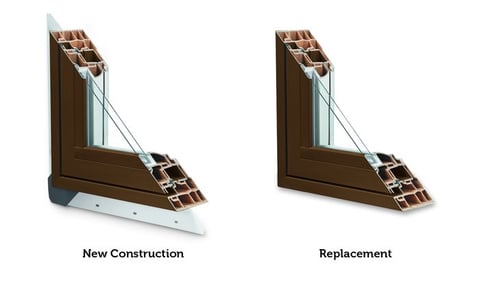
Replacement windows are designed for existing openings, while new construction windows include nailing fins for integration into new walls.
Common issues include seal failure, hardware wear, air leakage, and condensation. Repair feasibility depends on design and age. These are the 7 Signs You May Need to Replace Your Windows.
Evaluation criteria include licensing, installation methods, warranty coverage, product specifications, and service support. It’s always a good idea to vet window replacement companies before hiring.
Maintenance includes cleaning, inspecting seals, lubricating hardware, and protecting exposed surfaces. These are our Best Cleaning Tips for Your Windows.
Maintenance, repairability, and installation quality influence long-term performance more than brand names.
Residential windows are complex integrated systems combining frame materials, glass technology, hardware, performance ratings, and installation methods. Understanding how each component affects insulation, comfort, durability, design, and maintenance allows homeowners to compare options objectively and make informed decisions for both replacement and new construction projects.
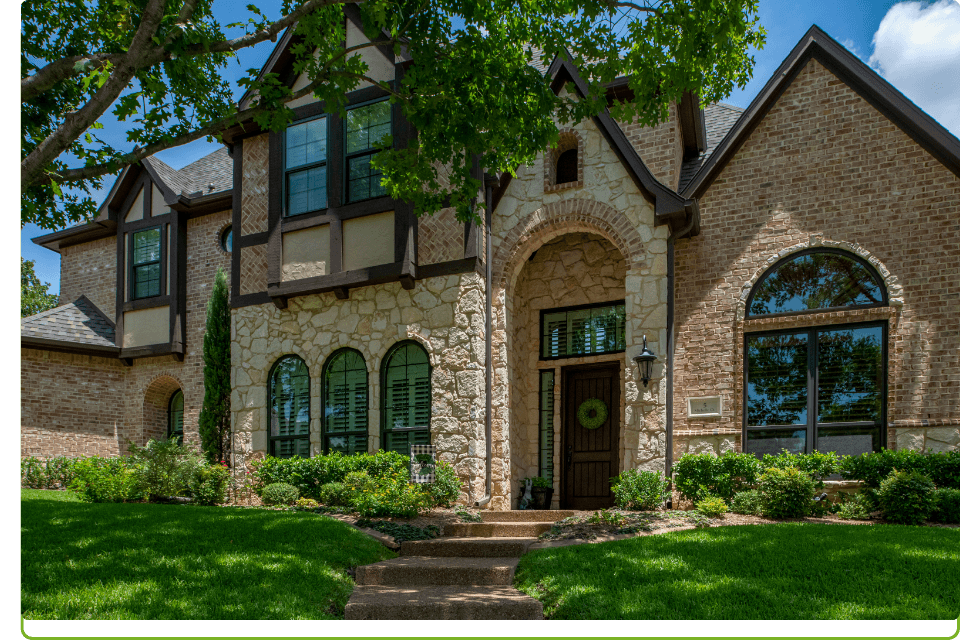
Texas homeowners can take the guesswork out of any window replacement project by scheduling a consultation with our experienced team. Request your appointment now and discover how easy it is to achieve your vision with tailored solutions and expert support.